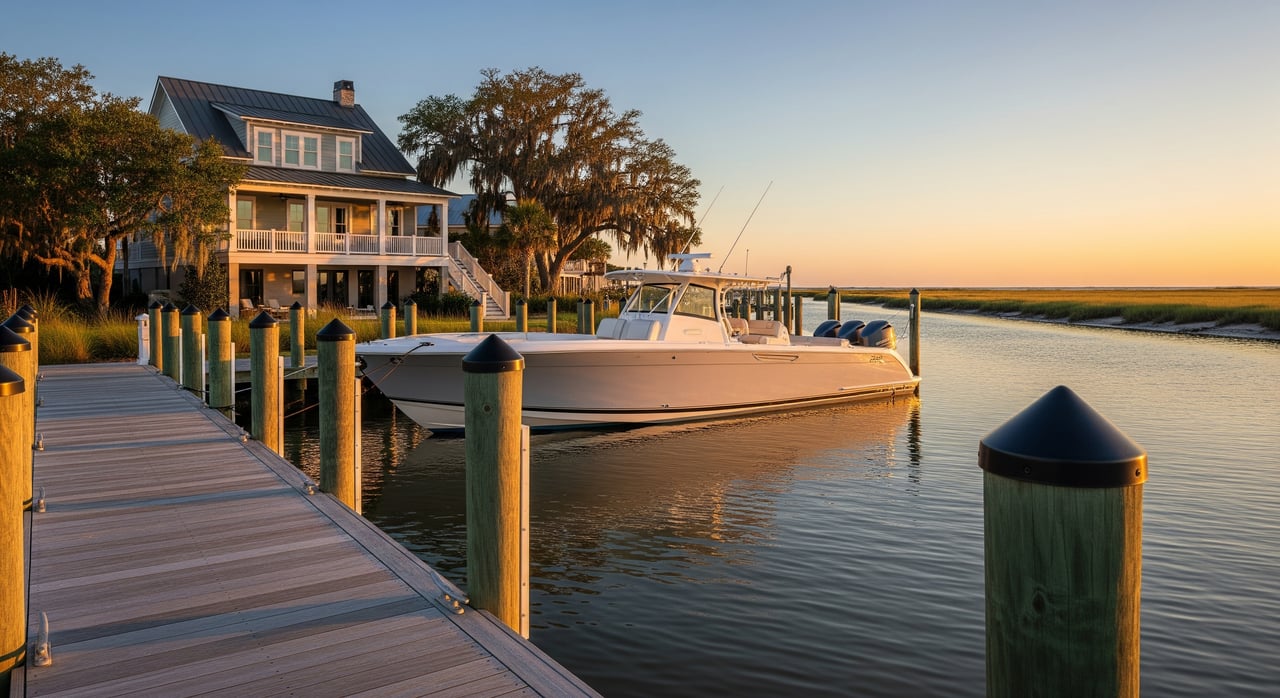
Dreaming of launching your boat minutes from home? If you’re eyeing Elberta, you’re in the right place to blend small-town ease with Gulf Coast water access. Buying in a boat-friendly neighborhood takes more than a great view. You need the right kind of access, the right permits, and the right plan for insurance and maintenance. This guide lays out what “boat-friendly” really means in Elberta, what to verify before you buy, and a practical checklist to move forward with confidence. Let’s dive in.
What boat-friendly means in Elberta
In Baldwin County, neighborhoods can offer very different paths to the water. In Elberta, you’ll find everything from private docks on navigable water to communities with shared ramps, along with homes that are a short trailer drive to nearby public launches. “Boat-friendly” can mean:
- Private dock or slip at your home.
- Deeded or recorded access via an easement to the water.
- Community marina or ramp with optional slip leases and dry storage.
- Easy trailering distance to public ramps or full-service marinas.
Before you focus on a single property, decide what kind of access fits your boat, your schedule, and your budget. A private dock may deliver convenience, while a community marina might reduce maintenance. Trailering can be cost-effective if you only boat occasionally.
Access types and what to verify
Private docks and slips
A private dock gives you day-to-day control, but it comes with rules and upkeep. Confirm:
- Ownership and location in the deed and recorded plats.
- Water depth at mean low water and year-round navigability.
- Any bridge clearances along your route to open water.
- Permit history for the dock, pilings, bulkhead, and lifts.
- HOA or community rules on boat size, type, and dock design.
Deeded or recorded water access
Some homes include legal access across common land to reach the water. Verify:
- The recorded easement in title documents and county records.
- Parking and usage rules for the access point.
- Whether there is a shared dock, how it is governed, and any use fees.
Community ramps and marinas
Communities may offer a ramp, slips, fuel, or dry storage. Ask about:
- Slip lease terms, waitlists, and costs.
- Ramp hours, trailer parking, and security.
- Governance, maintenance plans, and special assessments for repairs or dredging.
Trailering convenience
If you plan to trailer, confirm:
- Driving distance and typical traffic to your preferred launches.
- On-site space for trailer parking at home.
- Rules for street parking and HOA trailer restrictions.
Navigation and water conditions
Depth, tides, and shoaling
Depth at the dock and along your route matters, especially at mean low water. Canals and channels can shoal over time, which may require periodic dredging. Ask neighbors and the HOA about any recent dredging, cost sharing, and whether the channel is navigable for your boat’s draft.
Bridge and clearance checks
If your route includes bridges, measure your air draft with antennas and T-tops in mind. Seasonal tides and wind-driven water levels can change clearances more than you expect.
Exposure and surge
Protected coves are easier for docking on windy days, while open bays see more wave action and fetch. Consider how your mooring or lift will handle storms. Ask about past surge levels and how neighbors secure boats during hurricane season.
Permits, rules, and insurance
Dock and shoreline permits
Work on docks, pilings, bulkheads, and seawalls typically requires permits. Check with Baldwin County Planning and Permitting and the Town of Elberta for local requirements. Depending on the location and scope of work, state and federal approvals may apply, including the Alabama Department of Conservation and Natural Resources and the U.S. Army Corps of Engineers for structures or dredging in navigable waters.
Flood zones and storm risk
Waterfront convenience can come with flood and storm exposure. Review FEMA Flood Insurance Rate Maps to identify your flood zone, Base Flood Elevation, and whether the property lies in a Special Flood Hazard Area. If it does and you plan to finance, flood insurance is usually required. Request an elevation certificate and get insurance quotes early so you understand annual costs before you make an offer.
Riparian rights and title items
Water rights and dock ownership can be complex. Confirm via a title search whether the dock is included in the property, if there are riparian grants or subaqueous land leases, and if any easements or restrictions affect access. For shared docks or marinas, review recorded covenants and the governing documents.
Costs, maintenance, and resale
Premiums for waterfront access
Homes with private docks or direct waterfront typically command a premium. They may also carry higher insurance, maintenance, and potential dredging costs. Communities with marinas can offer lower day-to-day maintenance, which some buyers prefer.
Ongoing upkeep
Saltwater exposure means corrosion, fastener fatigue, and wear on lifts and electrical systems. Budget for periodic inspections, deck board or piling replacement, and any seawall or bulkhead repairs. Ask for recent invoices and expected replacement timelines.
Resale considerations
Future buyers often value clear, documented access and predictable costs. Keep all permits, inspection reports, and insurance information organized. Homes with verified depth, strong records, and well-maintained docks tend to show better and sell faster.
How to find boat-friendly homes
Smart search tactics
When you browse listings, filter for keywords like waterfront, canal front, dock, slip, and water access. Compare properties by the type of access offered, the quality and age of dock structures, and any documented flood or insurance details in the listing.
Who to call and what to review
- Baldwin County GIS and the property appraiser for parcel boundaries, easements, and recorded access.
- Baldwin County Planning and Permitting and Elberta’s municipal office for project feasibility and permit history.
- Local marina operators for slip availability and waitlists.
- A licensed surveyor for an elevation certificate and boundary verification.
- A marine or dock inspector to assess pilings, fasteners, electrical, and lift condition.
Buyer checklist for Elberta boat owners
Use this shortlist to structure your due diligence:
- Confirm the exact type of water access: private dock, deeded access, community ramp, or none.
- Obtain deed, recorded easements, HOA covenants, and any slip lease agreements.
- Verify water depth at mean low water at the dock and along the route to open water.
- Identify bridges and clearance limits; compare to your boat’s air draft.
- Ask about shoaling and dredging history, schedules, and who pays.
- Request permits and construction history for docks, lifts, bulkheads, or seawalls.
- If you plan upgrades, consult permitting offices and a local dock builder for feasibility and timelines.
- Pull FEMA flood maps, request an elevation certificate, and get insurance quotes for home and boat.
- Confirm HOA fees, marina fees, and any dredging or infrastructure assessments.
- Review maintenance records for docks and shoreline protections, including electrical and lift service.
- Hire a marine inspector or structural engineer for the dock and a licensed surveyor for boundaries and elevation.
- Confirm trailer parking policies and space if you plan to trailer.
- Identify pump-out and fuel options that fit your boating routine.
Key questions to ask the seller or HOA
- When was the dock, lift, or bulkhead last rebuilt or serviced?
- What are the typical water depths at mean low water and in the canal or channel?
- Are there bridge clearances to reach open water? What is the lowest point?
- Who pays for dredging or dock repairs, and how are costs assessed?
- Are there current permits, and will they transfer? Any pending violations?
- Are slip leases available, and is there a waitlist? What are the fees?
- Is there an elevation certificate on file? What are current home and flood insurance premiums?
Your next step
Choosing the right Elberta neighborhood starts with matching your boat and lifestyle to the right kind of water access, then verifying the details. If you want a local, concierge-style partner to guide you through waterfront due diligence, connect with Rachel Wallace. From permit history and elevation certificates to trusted marine inspectors and marina contacts, you get clear answers and a smooth path to closing.
FAQs
Will a property described as “near water” give my boat easy access?
- “Near” is vague. Confirm whether access is private or deeded, via a community ramp, or requires driving to a public launch. Verify distance and driving time for trailering.
Are private docks automatically included with a house sale?
- Not always. Docks can be on separate parcels, under lease, or on tidelands with special agreements. Confirm inclusion and rights through the deed and a title search.
How will flood zones affect my insurance and mortgage?
- Homes in Special Flood Hazard Areas typically require flood insurance if financed. Premiums depend on elevation and mitigation features. Ask for an elevation certificate and quotes early.
How do I know if navigation to open water works for my boat?
- Check depth at mean low water, bridge clearances, and any shoaling patterns. Review charts and seek local guidance. For larger boats, consider a local captain’s opinion.
Who pays for dredging or repairs to community channels and docks?
- Costs are set by recorded covenants, HOA rules, or special assessments. Review governing documents and recent meeting minutes for budgets and plans.