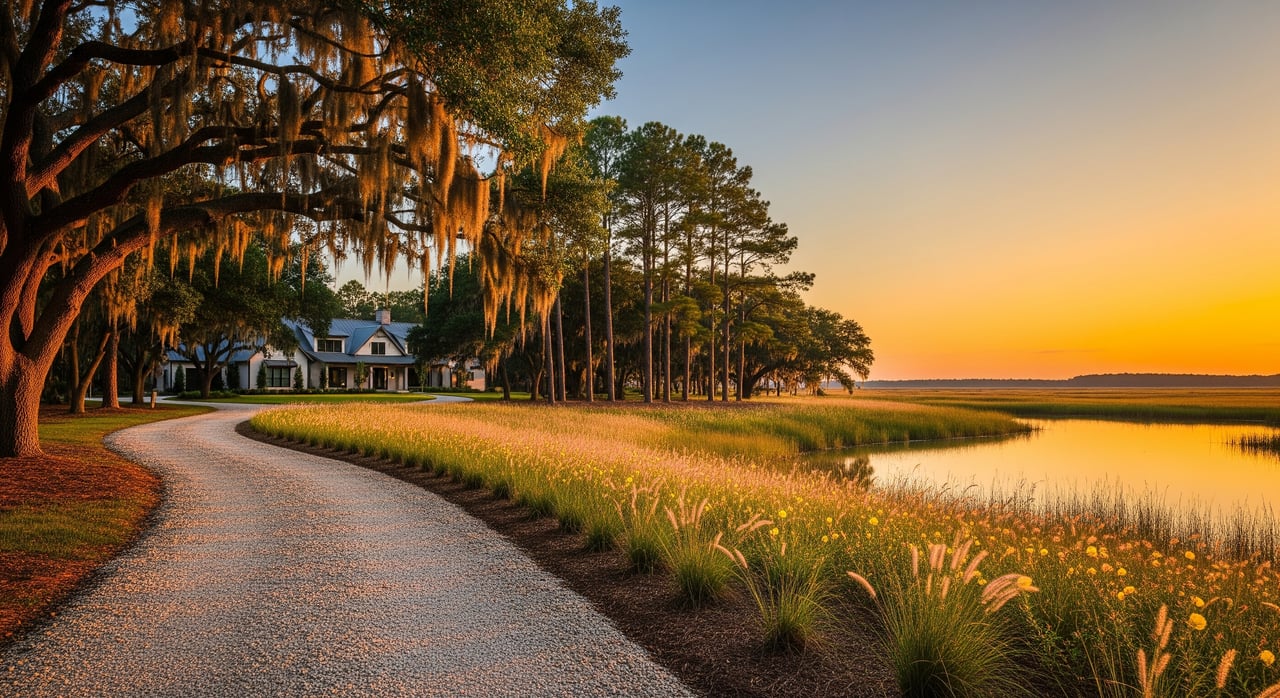
Picture your future on a quiet Baldwin County tract where you can build at your pace, plant a garden, or simply enjoy space and privacy. If you are considering land in Summerdale, you are not alone. Many buyers look inland from the beaches for acreage that still keeps them close to Gulf Coast amenities. This guide shows you the key steps and local checks that help you buy land with confidence in Summerdale and nearby unincorporated areas. Let’s dive in.
Why buy land in Summerdale
Summerdale sits in a growing part of Baldwin County where you can find small rural lots and larger acreage. Buyers often want privacy, a future homesite, or room for hobby farming. You will see timberland, pasture, and parcels in rural subdivisions with recorded covenants. Because demand is tied to the wider Gulf Coast, it pays to do thorough due diligence before you write an offer.
Know the rules early
Town vs. county jurisdiction
First, confirm if the property is inside Summerdale town limits or in unincorporated Baldwin County. Rules and permit processes can differ between the two. For county parcels, review the requirements with Baldwin County Planning and Zoning. For parcels in town, contact the municipal office directly to verify zoning and permitting steps.
Zoning and covenants
Check the parcel’s zoning and allowed uses. Verify minimum lot sizes, setback rules, and any limits on livestock or accessory structures. Many acreage tracts or rural subdivisions also have recorded covenants or CCRs. Always obtain and review these documents so you understand use limits before you buy.
Building permits and inspections
Assume you will need a building permit for new construction and a separate septic permit if the parcel does not have sewer service. Some areas may require elevation standards if the property lies within a mapped flood zone. Ask the appropriate jurisdiction what inspections apply for your planned use.
Utilities and access
Water and sewer
Many Summerdale-area parcels rely on a private well and on-site septic. Confirm that a well is feasible and that the soils can support an on-site wastewater system. The Baldwin County Health Department manages septic permits and can explain percolation testing and site plan needs.
Power and gas
Electricity is widely available, but line extensions may be required on rural acreage. Contact utility providers early to confirm availability, costs, and timelines. Natural gas is not available everywhere, so plan for propane where needed.
Internet and telecom
Rural broadband varies by location. Ask local ISPs about service levels and installation timelines. If wired options are limited, explore fixed wireless or satellite.
Road access and maintenance
Confirm legal, recorded access to a public, county-maintained road. If access is by private road or easement, verify that it is recorded and understand who maintains it. A driveway crossing a county right-of-way may need a driveway or encroachment permit.
Site and environmental checks
Soils and topography
Soils affect septic suitability, drainage, and foundation choices. Review maps on the USDA NRCS Web Soil Survey and plan for a formal site evaluation. Expect site work like clearing and grading to be a meaningful budget item on raw acreage.
Flood risk and elevation
Even inland parcels can face flood risk in Baldwin County. Use the FEMA Flood Map Service Center to see your flood zone and elevation context. If you plan to build near a mapped flood zone, consider getting an elevation certificate and talk with your insurer before you close.
Wetlands and streams
If wetlands or streams are on the tract, clearing or filling may require federal and state permits. Review guidance from the U.S. Army Corps of Engineers Regulatory Program before planning improvements. Wetlands can reduce usable acreage and affect site layout.
State environmental rules
Lot clearing and construction may trigger stormwater or erosion control requirements. The Alabama Department of Environmental Management provides state-level guidance on permits and best practices.
Habitat and conservation
If the parcel is near sensitive habitat or a conservation overlay, development could be limited. The Alabama Department of Conservation and Natural Resources is a resource for understanding potential wildlife or habitat concerns.
Septic and wells in practice
If the property is not on public sewer and water, plan these steps during diligence:
- Order a soil and percolation test and a preliminary septic layout.
- Confirm well-drilling feasibility and anticipated depth with local drillers.
- Budget for alternative systems if soils are poor. Mound systems or aerobic units can work but cost more and need ongoing maintenance.
- Obtain written confirmation from the permitting authority about septic approval conditions.
Title, survey, easements, and minerals
Order a current boundary survey to verify acreage, property lines, and any encroachments. Ask your title company for a title commitment and buy owner’s title insurance to protect against defects. Review all recorded easements for access, utilities, drainage, or pipelines. In Alabama, mineral rights can be severed from surface rights, so confirm whether mineral rights convey and whether any leases exist. Baldwin County’s mapping portal can help you view parcel boundaries and recorded data via Baldwin County GIS.
Financing, costs, and taxes
Land loans
Raw land financing is different from a home loan. Expect larger down payments, higher rates, and shorter terms. Local banks, credit unions, and farm lenders are common choices. You can also explore eligibility-based programs via USDA Rural Development.
Carrying costs and tax treatment
Estimate property taxes, insurance, and maintenance for private roads or shared infrastructure. For tax estimates and exemptions, start with the Baldwin County Revenue Commission. If you plan bona fide agricultural or timber use, ask about use-value assessment programs that may reduce your tax burden when qualified.
Insurance and weather risks
Baldwin County is part of a coastal market where wind and hurricane risks are a factor. Standard homeowner policies may exclude flood, and wind coverage can vary. If you build in a Special Flood Hazard Area, a federally backed mortgage will require flood insurance. Even outside a mapped zone, flood insurance can be a wise layer of protection.
Budget and timeline tips
- Start with feasibility. Before negotiating price, verify legal access, zoning fit, septic ability, and utility availability.
- Build a realistic site budget. Include clearing, grading, driveway, utility extensions, septic or well, and permits.
- Expect lead times. Utility extensions, septic approvals, and driveway permits can add weeks or months.
- Keep contingencies. Use contract periods to finish your survey, title work, and environmental checks.
Quick buyer checklist
- Confirm town vs. county jurisdiction and get the right contacts.
- Pull zoning rules and any recorded covenants or CCRs.
- Order a survey and title commitment; review easements and mineral rights.
- Obtain utility availability letters and rough extension costs.
- Schedule soil/percolation testing and confirm septic permit path.
- Check flood zones on FEMA maps and consider an elevation certificate.
- Screen for wetlands and discuss permitting if needed.
- Verify recorded road access and private road maintenance rules.
- Build a full development budget, including insurance.
- Line up financing with a land-friendly lender or consider seller financing.
How we help you buy with confidence
You deserve a clear, step-by-step plan from first showing through closing. Our team helps you focus on the right checks at the right time, connect with trusted local pros, and negotiate with facts on your side. When you are ready to walk parcels or talk feasibility, we are here to guide you.
Ready to explore Summerdale acreage with a local, concierge-style partner? Reach out to Rachel Wallace to start a confident, well-organized land search that fits your goals.
FAQs
What should I verify first when buying land in Summerdale?
- Confirm jurisdiction, zoning, legal access, and basic utility feasibility, then order a survey and title commitment.
How do I check septic suitability on a rural lot?
- Schedule a soil and percolation test and review septic permitting steps with the Baldwin County Health Department.
Where can I see flood zones for a parcel?
- Search the address on the FEMA Flood Map Service Center and consider an elevation certificate if building near mapped zones.
Do wetlands limit what I can build?
- Yes, regulated wetlands or streams can restrict clearing or filling; consult the U.S. Army Corps of Engineers early in the process.
Are there special tax programs for acreage in Baldwin County?
- Parcels used for bona fide agriculture or timber may qualify for use-value assessment; contact the Baldwin County Revenue Commission to learn more.