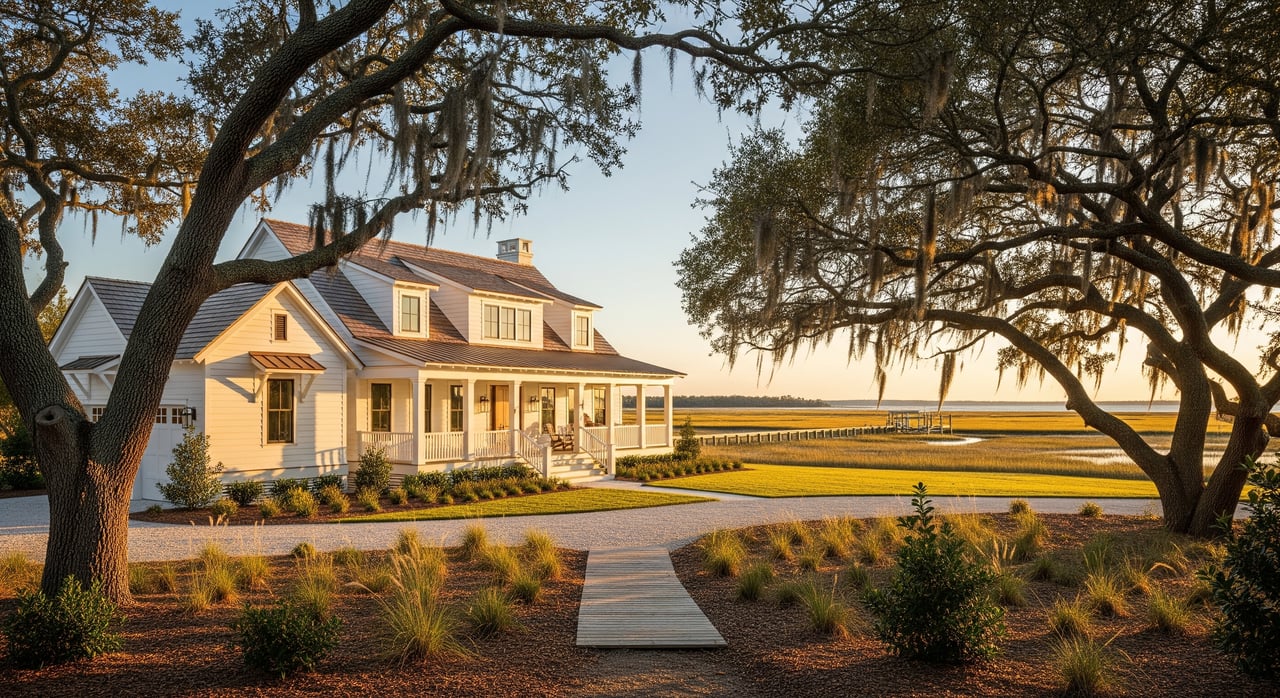
Choosing between Daphne and Spanish Fort often comes down to one question: where will your monthly dollars go further without sacrificing the coastal lifestyle you want? You might be weighing commute times to Mobile, the feel of newer master‑planned neighborhoods versus established streets, or how flood insurance could affect your budget. In this guide, you’ll get a clear, practical comparison of cost of living and housing in both cities so you can choose with confidence. Let’s dive in.
Where they are and how they feel
Daphne and Spanish Fort sit side by side on Baldwin County’s Eastern Shore of Mobile Bay. Both offer quick access to I‑10 for trips to Mobile, coastal parks, and bayfront recreation. You get a suburban lifestyle with water nearby and a range of neighborhoods to fit different budgets and preferences.
Daphne is the larger, more established suburb with an older historic core and a wide mix of neighborhoods. You will find both older homes and newer subdivisions in a variety of price bands. The city provides full municipal services and community programming through its official site.
Spanish Fort has seen significant recent growth, with visible new construction, shopping corridors, and master‑planned communities. If you value newer homes, retail convenience, and planned amenities, this may feel like a good fit. City services and planning resources are available on the City of Spanish Fort site.
Housing market snapshot
You’ll see a broad range of single‑family homes in both cities, plus townhomes and a limited number of condos. Spanish Fort often has a higher share of new construction that can command a premium, especially in amenity‑rich subdivisions. Daphne’s established neighborhoods may offer more options for buyers seeking mid‑priced homes or larger lots at similar budgets.
When comparing prices, focus on:
- Price per square foot to normalize across different home sizes.
- Neighborhood factors that can skew city medians, like waterfront proximity or gated community amenities.
- Inventory and months of supply, which signal how competitive the market is.
- Median days on market and sale‑to‑list ratios to understand negotiation room.
Because a handful of high‑end waterfront sales can tilt averages, compare by neighborhood rather than just citywide numbers. If you are relocating or purchasing from out of the area, ask for a neighborhood‑level snapshot of the last 3, 6, and 12 months to see true trend lines.
Ongoing costs that shape your budget
Buying price is just part of the equation. The true monthly cost depends on taxes, insurance, HOA fees, utilities, transportation, and everyday spending. Here is how the two cities typically compare.
Property taxes
Alabama is known for a relatively low property tax burden compared to national averages. In Baldwin County, your total bill reflects county and city millage, plus any special district fees. Within Daphne and Spanish Fort, the rate can vary slightly based on exact location and applicable districts.
What to do next:
- Pull a parcel‑specific estimate from the Baldwin County Revenue Commission before you write an offer.
- Compare the effective tax cost on sample price points you are considering to see how Daphne vs. Spanish Fort stack up.
- If you plan to claim a homestead exemption, factor that into your estimate for your primary residence.
Homeowners insurance and flood risk
Coastal Alabama carries wind and hurricane risk. Some homes require separate wind coverage, and properties in FEMA Special Flood Hazard Areas may require flood insurance. Premiums vary based on elevation, construction year, roof condition, and mitigation features.
What to do next:
- Check a property’s FEMA flood zone using the FEMA Flood Map Service Center.
- Ask for any elevation certificate and wind mitigation documentation with your offer.
- Obtain quotes for homeowners, wind, and flood coverage during your inspection window so you know the true monthly cost.
Tip: Homes farther from the bay and at higher elevations can see lower flood exposure. Newer homes with fortified roofs or wind‑rated features may help with insurance costs. Always price this property by property.
HOA fees and neighborhood amenities
Spanish Fort’s newer, master‑planned communities often include amenities like pools, trails, and clubhouses. Those can come with monthly or quarterly HOA dues. Daphne has a broad mix, including older neighborhoods with little to no HOA. The tradeoff is between ongoing fees and access to shared amenities.
What to do next:
- Ask for current HOA budgets, rules, and any planned capital projects during due diligence.
- Confirm whether short‑term rentals are allowed if you are exploring rental income.
Utilities and broadband
Utility providers differ by neighborhood, and rates vary by usage. Newer communities often have robust broadband options, while some established areas may have varying providers.
What to do next:
- Request recent utility statements from the seller to build a realistic monthly budget.
- Verify broadband availability at the exact address, especially if you work from home.
- Check each city’s site for service contacts and set‑up steps. Start with the City of Daphne and City of Spanish Fort.
Transportation and commute
Most residents commute by car, often to Mobile via I‑10. Your drive time will depend on your neighborhood’s proximity to I‑10 interchanges and the Causeway.
What to do next:
- Test‑drive the commute at your typical hours.
- Track fuel costs and parking to compare the true monthly cost.
- Follow road project updates through the Alabama Department of Transportation for any planned improvements that could affect travel times.
Everyday expenses
Groceries, healthcare, and childcare costs are broadly similar between the two cities. Spanish Fort’s larger retail centers may offer convenience and competitive pricing that can lower your weekly spend. Daphne’s established corridors provide a range of local options as well.
What to do next:
- Map your daily and weekly routines to compare time and fuel costs.
- Consider proximity to medical providers and pharmacies you use most often.
Schools and services that affect value
Both cities are served by Baldwin County Public Schools. School zone boundaries influence buyer demand and pricing in many neighborhoods, and boundaries can change.
What to do next:
- Verify current assignments and maps directly with Baldwin County Public Schools.
- If schools are a key factor in your decision, include zone verification and school commute times in your due diligence.
Community services also add value. Daphne and Spanish Fort both offer parks, sports facilities, and access to bayfront recreation. Spanish Fort’s retail hubs provide convenient shopping and dining. Daphne’s historic core and community events add character that many buyers value.
Who each city fits best
Every buyer is different, but these profiles can help you decide where to look first.
- If you want newer homes and planned amenities: Spanish Fort’s master‑planned neighborhoods often deliver newer construction, community pools, and walkable retail access.
- If you prefer established neighborhoods and variety: Daphne offers a wide mix of older and newer homes, with options that can suit different lot size preferences and budgets.
- If your priority is a smooth commute to Mobile: Choose neighborhoods with quick access to I‑10 or the Causeway in either city, then compare real‑world drive tests.
- If you are a downsizer or semi‑retiree: Look for low‑maintenance homes or townhomes near shopping and medical services in either market, then compare HOA fees and insurance costs.
- If you are an investor or second‑home buyer: Confirm rental rules at the neighborhood level, price insurance carefully, and focus on features that drive year‑round demand.
Buying strategy: how to compare two homes
Use this checklist to make an apples‑to‑apples comparison across Daphne and Spanish Fort.
- Purchase economics
- Price per square foot compared to recent neighborhood sales.
- Age of roof, HVAC, and major systems that affect near‑term costs.
- New‑construction premium versus features you value.
- Risk and insurance
- FEMA flood zone and any elevation certificate on file.
- Wind mitigation features and roof condition.
- Insurance quotes for homeowners, wind, and flood coverage.
- Ongoing costs
- HOA dues and any upcoming assessments.
- Property tax estimate with homestead status.
- Average monthly utilities and broadband options.
- Location and lifestyle
- Commute time to your daily destinations, including Mobile.
- Access to parks, bayfront recreation, retail, and healthcare.
- School zone verification if relevant to your needs.
- Resale potential
- Neighborhood demand and days on market trends.
- Features that are consistently valued locally, such as updated roofs, fortified construction, and elevation documentation.
Seller strategy: what to highlight
If you are selling in Daphne or Spanish Fort, buyers are comparing total cost of ownership, not just list price. Help them see the full value.
- Provide recent utility bills and HOA documents up front.
- Share roof age, wind mitigation details, and any elevation certificate.
- Price with recent neighborhood closings, not citywide medians.
- Emphasize updates that reduce risk and cost, like new roofs, fortified features, or energy‑efficient improvements.
How we help you choose with confidence
Comparing cost of living across two neighboring cities can feel overwhelming when numbers shift by neighborhood and even by street. Our team builds a side‑by‑side model for your short list that includes price per square foot, insurance quotes, tax estimates, HOA dues, real‑world commute tests, and neighborhood‑level sales data. If you are out of state, we coordinate video walk‑throughs, vendor quotes, and inspection logistics so you can act with certainty.
Want a data‑driven comparison tailored to your lifestyle, budget, and timeline? Connect with Rachel Wallace for a friendly, detailed plan and on‑the‑ground support from search to closing.
FAQs
Which city is more expensive for housing in Daphne vs. Spanish Fort?
- It depends on the neighborhood mix at the time you buy, so compare price per square foot, new‑construction premiums, and waterfront influence rather than citywide medians.
How do property taxes compare between Daphne and Spanish Fort?
- Alabama’s overall property tax burden is relatively low, but total bills vary by parcel based on county and city millage, so request a parcel‑specific estimate before you offer.
What should I know about flood zones and insurance near Mobile Bay?
- Check FEMA maps for each property, price homeowners, wind, and flood coverage during due diligence, and use elevation certificates to refine quotes using the FEMA Flood Map Service Center.
Are schools different between Daphne and Spanish Fort?
- Both are served by Baldwin County Public Schools, and school zone boundaries can affect pricing, so confirm current assignments directly with Baldwin County Public Schools.
Is one city better for commuting to Mobile?
- Either can work if you choose a neighborhood with quick I‑10 access, so test your commute at peak times and follow project updates via the Alabama Department of Transportation.
Where can I verify local demographics and growth trends?
- Review city‑level population and household data from the U.S. Census Bureau and compare with neighborhood‑level sales trends for the most accurate picture.