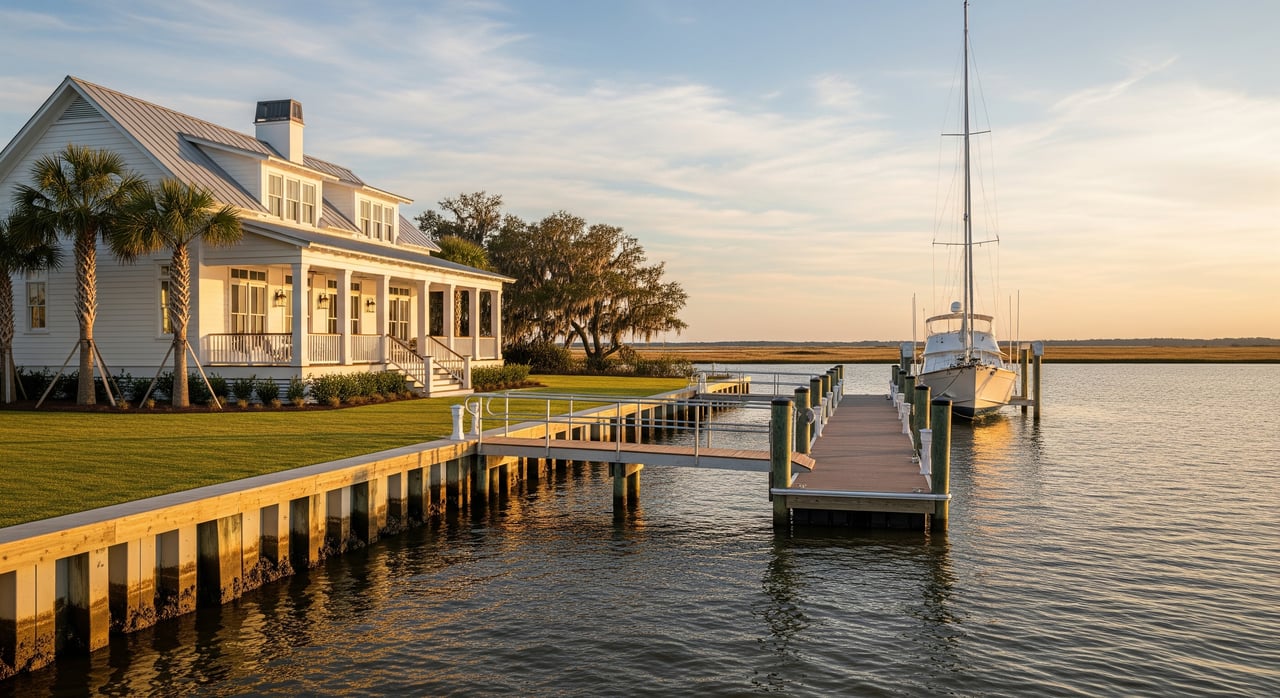
Is your dream Fairhope home right on Mobile Bay or a few streets back with shared bay access? Both options deliver the coastal lifestyle, but they differ in cost, upkeep, risk and daily convenience. If you want clear answers before you buy or sell, you’re in the right place. In this guide, you’ll learn how “waterfront” and “bay access” compare in Fairhope, what permits and insurance to evaluate, and a practical checklist to make a confident choice. Let’s dive in.
Waterfront vs bay access defined
Waterfront in Fairhope means direct frontage on Mobile Bay or a navigable canal or inlet that leads to the bay. You usually get immediate water views and the potential for a private shoreline, seawall or dock.
Bay access covers properties that do not touch the bay but have legal ways to reach it. That can include a deeded easement, a community dock or ramp, shared marina slips, or nearby public ramps and canals. The lifestyle can feel similar, but the responsibilities and rules are different.
Property types near Fairhope
You will typically see these options along the Eastern Shore:
- Direct bayfront lots with private shoreline and sometimes a private dock.
- Canal or finger‑canal homes with protected water and boat access but not open bay frontage.
- Upland homes with deeded slips or a community dock a short walk or drive away.
- Condo or townhome communities with shared marina slips or dry storage.
- Water‑view homes without legal water access.
Each type changes your view, privacy, boat size options and maintenance.
Cost, maintenance, resale
Waterfront homes usually command a price premium per square foot. You pay for the view, privacy and immediate access. Appraisals can be tricky because comparable sales are limited, which can affect timelines and negotiations.
Bay‑access homes are often a more budget‑friendly way to enjoy the water. You still get boating and paddle sports, but with shared amenities and rules that may limit boat size, usage hours or guest policies.
On the cost side, waterfront owners typically handle bulkhead or seawall care, dock upkeep and shoreline stabilization. Bay‑access owners usually pay HOA or dock association fees that cover shared maintenance. Resale demand can be strong for both, but buyers weigh insurance, maintenance and permitting complexity alongside price.
Permits and who to contact
If you plan to build or modify a dock, repair a seawall, or dredge, expect permits and reviews. The City of Fairhope handles local building permits and zoning. Baldwin County addresses county rules and floodplain administration in some areas. Federal and state roles matter too, especially for anything in navigable waters or below the ordinary high water line.
- U.S. Army Corps of Engineers, Mobile District: structures, fill and dredging in navigable waters.
- Alabama Department of Environmental Management and Alabama Department of Conservation and Natural Resources: coastal resource and habitat considerations.
- FEMA flood maps: flood zone status that drives building requirements and insurance.
Always confirm whether a dock is permitted, legal, grandfathered or in violation. Ask for existing permits, surveys and any inspection or repair records. For complex questions about riparian or littoral rights and submerged lands, consult a local real estate attorney or title company.
Flood, wind, insurance
Bayfront and canal properties face tidal flooding, storm surge during tropical systems and heavy‑rain events. If a home is in a Special Flood Hazard Area, lenders require flood insurance. Request an Elevation Certificate if available and ask for written quotes early. Premiums, deductibles and coverage details can change your monthly budget.
Wind and hurricane coverage is another key piece. Coastal Alabama policies often include separate windstorm deductibles. Some carriers also require mitigation features like hurricane straps or impact‑rated windows. Stronger construction and upgrades may reduce premiums.
If you are planning long‑term ownership, consider how sea‑level rise and stronger storms could affect erosion and shoreline stability. Ask the city or county about any resilience or shoreline projects that could influence your property over time.
Boating and daily use
Think about how you will use the water. Direct waterfront and many canalfront homes allow immediate mooring and easy launching for fishing, paddle boarding and kayaking. Canal or interior channel lots can offer more protected docking, though water depth and channel access vary.
Community docks or deeded slips are convenient, but you may see limits on boat length, draft, or parking, plus waitlists or fees. If you count on public ramps, plan for peak‑season traffic and timing. Whatever you choose, verify water depth at mean low water, navigation routes and any rules before you buy.
Maintenance and utilities
Salt spray accelerates corrosion on HVAC components, metal fixtures and vehicles. Exterior paint, decks and railings often need more frequent attention. If the property has a bulkhead or dock, budget for periodic inspection and major repairs over time.
Confirm if the home is on municipal water and sewer or uses a septic system. Coastal septic requires proper maintenance and may have added rules. Ask for service records and check with local health departments when applicable.
Choose the right fit
Use these lifestyle cues to pick your path:
- Choose waterfront if you value uninterrupted views, private docking and stepping from your porch to the water. Expect higher insurance and maintenance and more permitting steps.
- Choose canalfront if you want protected docking, potential for larger boats in some areas, and less exposure to open‑bay conditions.
- Choose bay access if you want a lower purchase price, lower personal maintenance and easy community amenities, and you are comfortable with HOA rules and shared spaces.
- Choose water‑view if you love the look and breeze but prefer the simplicity of no water‑use obligations or structures.
Buyer due diligence steps
Start with paperwork and records:
- Check the property’s FEMA flood zone and ask for an Elevation Certificate if available.
- Get written flood and homeowner insurance quotes before you finalize an offer.
- Request copies of dock, seawall and bulkhead permits and any inspection or repair records.
- Confirm deeded access, riparian rights and any recorded easements or slip ownership. A title search helps verify these items.
Bring in the right experts:
- Hire a licensed marine contractor or coastal engineer to inspect docks, pilings, bulkheads and shoreline stability.
- Schedule a comprehensive home inspection with attention to salt‑exposed systems and corrosion.
- If there is a septic system, order a septic inspection and review local health department records.
- Obtain a current survey that shows the mean high water line, improvements and easements.
Verify rules and financing:
- Review HOA covenants, dock association rules, slip assignments, fees and guest policies.
- Confirm the status and capacity of nearby public ramps and marinas if you rely on them.
- Speak with your lender early about flood zones, dock ownership, permits and any specialty loan requirements.
Ask about the future:
- Check with local planning departments about shoreline projects, dredging plans or resilience initiatives that could affect access, cost or value.
Tips for Fairhope sellers
Highlight what buyers care about most. Gather permits, maintenance records and any Elevation Certificate before listing. If you have a dock, show that it is permitted and provide recent inspection notes or repair invoices.
Clarify access. If your home includes deeded bay access or a slip, include recorded documents and current association rules and fees. If insurance is favorable, provide recent quotes or policy summaries to help buyers budget quickly.
Stage the lifestyle. Clean docks, clear walkways and tidy exterior metalwork signal good care. Share simple boating or access notes like typical water depth at your dock and common launch points.
Work with a local guide
Choosing between direct waterfront and bay access is about matching your lifestyle to real‑world costs, rules and risk. A local, concierge‑style team can help you assemble permits, vendors and insurance quotes while you compare properties.
If you want a trusted, high‑touch advisor who understands Baldwin County’s coastal market, we are here to help. From curated searches to vendor introductions and post‑close support, we make the process smooth for out‑of‑area buyers, investors and local families alike. Connect with Rachel Wallace to start your Fairhope waterfront or bay‑access search.
FAQs
What does “bay access” mean in Fairhope?
- It means a property without bay frontage that still has legal access through a deeded easement, a community dock or ramp, shared marina slips, or nearby public facilities.
How do I verify a dock is legal before I buy?
- Ask for copies of permits and inspection records, then confirm with the City or County permitting offices. Consider a marine contractor or attorney for added review.
Will I need flood insurance on a Fairhope waterfront home?
- If the home is in a Special Flood Hazard Area and you finance the purchase, lenders require flood insurance. Get an Elevation Certificate and quotes early.
Are canal homes in Fairhope good for larger boats?
- Canal or interior channel lots can allow protected docking and may suit larger boats, but depth, channel access and rules vary. Verify mean low water depth and restrictions.
Who pays for seawall or dock repairs?
- Waterfront owners usually handle their own seawall and dock care. Bay‑access owners typically share costs through HOA or dock association fees as outlined in covenants.
What if my deed promises a boat slip?
- Confirm the recorded document that grants the slip, review any association rules, and check for size limits, fees or waitlists during due diligence.