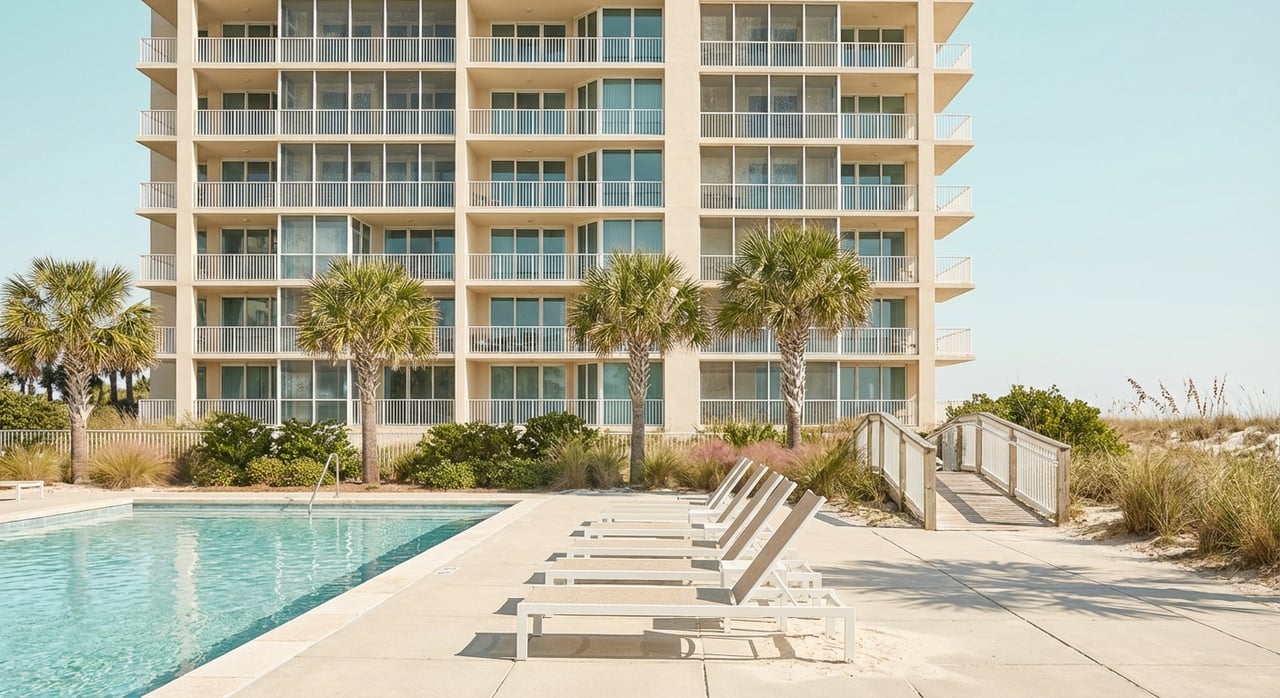
Choosing between Gulf Shores and Orange Beach can feel like picking your favorite stretch of sugar-white sand. Both are beloved by vacationers, which is great news if you’re buying a rental. The real question is which market better matches your budget, revenue goals, and ideal guest. In this guide, you’ll get a clear, side-by-side view of how each area performs, what property types are common, how seasonality and events affect bookings, and what to check before you buy. Let’s dive in.
Quick answer: Which fits your goals?
Choose Orange Beach if you want
- Higher average revenue potential from newer gulf-front towers and marina-focused stays.
- Larger condos with resort-style amenities that command premium rates.
- Strong appeal to families, groups, and boating guests.
Choose Gulf Shores if you want
- More price points, including older low- and mid-rise condos and some single-family options.
- Walkable access to dining and events near Gulf Place and central beaches.
- Event-driven demand and solid summer bookings at a lower entry price for comparable gulf access.
Market performance at a glance
Both cities share a strong tourism base. Recent state reporting shows Alabama set new tourism records in 2024, with Baldwin County leading beach visitation. That rising tide benefits both Gulf Shores and Orange Beach. You can expect healthy summer demand with spring and event-driven boosts in the shoulders. State tourism data confirms record visitor spending.
Public market dashboards from AirDNA show similar average nightly rates and seasonal swings, with Orange Beach posting higher average revenue than Gulf Shores in recent snapshots. Example market-level figures from the AirDNA overviews (use these as comparables, not guarantees):
- Orange Beach: annual revenue around $59,000, occupancy near 60 percent, ADR around $419. See the Orange Beach market overview.
- Gulf Shores: annual revenue around $49,000, occupancy near 55 percent, ADR around $420. See the Gulf Shores market overview.
Seasonality is real on the Alabama coast. Summer is peak for both rate and occupancy. Spring break, sports tournaments, fishing seasons, and festivals create short windows of higher pricing and stronger bookings. Winter is quieter, with some snowbird and event weeks in play. For context on local beaches and visitor patterns, review this local guide to public beaches on the Alabama Gulf Coast.
Property types and locations
Orange Beach inventory
Orange Beach leans newer and more resort-style. You’ll see luxury high-rises on the gulf, mid-rise gulf-front buildings, and marina or waterway condos with boat access. Many complexes offer pools, lazy rivers, gated parking, and on-site amenities that support premium rates. Larger two- to four-bedroom layouts are common, which helps serve family and group bookings.
Gulf Shores inventory
Gulf Shores offers a broader mix. Along West Beach and East Beach you’ll find older low- and mid-rise gulf-front buildings. There are also lagoon-front condos that appeal to anglers and boating enthusiasts, plus scattered single-family rental homes closer to the water or inland. Many buyers like the simple access to restaurants and events around central Gulf Shores.
Amenities that drive demand
- Orange Beach draws boaters and families who value marinas, fishing charters, and resort amenities. Larger balconies and modern finishes help units stand out in photos and listings.
- Gulf Shores benefits from walkability near Gulf Place, plus proximity to Gulf State Park and popular family attractions. Events and festivals add high-ADR weekends in shoulder seasons.
Regulations, taxes, and costs
Understanding the operating rules can save you surprises later. Regulations differ by city and may vary by address, police jurisdiction, and building association.
Licensing and zoning
- Orange Beach regulates vacation rentals through zoning and a specific ordinance. Short-term stays must be allowed within the zoning map, and the city requires registration or licensing where applicable. Always confirm both zoning and the building’s rules before you buy. Review the city’s Vacation Rental Regulations.
- Gulf Shores requires a business license for short-term rentals and enforces local inspection and local-contact rules. Check whether a property is inside city limits or within the police jurisdiction, since requirements differ. See the city’s revenue and business license information.
Lodging taxes
Local lodging taxes are a major line item. A common in-city lodging tax example totals about 16 percent, which reflects state, city, and destination components. Properties in the police jurisdiction or unincorporated areas may have different totals. Confirm the rate at the specific address before modeling cash flow using the destination lodging tax breakdown.
Operating expenses and insurance
Beach markets carry meaningful operating costs. Full-service property management often ranges from 15 to 30 percent of rental revenue. Cleaning, utilities, HOA dues, insurance, and reserves for wear and tear add up. Many modeling exercises use 20 to 25 percent for management in turnkey programs, as outlined in this market operations overview.
Insurance deserves special attention for coastal condos. Ask for the association’s master policy, named-storm or wind deductible, reserve study, and assessment history. Your HO-6 policy and flood coverage need to align with the association’s coverage to avoid gaps. Learn the basics with this overview of HO-6 and flood considerations for Orange Beach condo buyers.
HOA and condotel rules
Association rules can make or break your rental strategy. Some towers run as condotels or require on-site program participation, while others allow self-management. Minimum stay lengths, advertising rules, and owner-use policies vary by building. For a quick primer, read this guide to what a condotel is in Orange Beach.
How to analyze a listing
Use this simple checklist to compare options in Gulf Shores and Orange Beach:
- Verify zoning and STR eligibility. Confirm short-term rentals are allowed at the parcel and in the building. Start with the Orange Beach Vacation Rental Regulations or Gulf Shores licensing pages.
- Confirm taxes by address. Identify whether the unit sits in city limits, police jurisdiction, or unincorporated Baldwin County. Apply the correct lodging tax from the destination tax table.
- Pull building-level STR comps. Use a reliable vendor for month-by-month ADR, occupancy, and RevPAR. Compare to the unit’s past performance if available. Review both Orange Beach and Gulf Shores market dashboards for context.
- Check licensing steps and timeline. In Gulf Shores, confirm business licensing and any inspection needs using the city’s revenue resources. In Orange Beach, confirm zoning-based requirements.
- Review HOA and insurance docs early. Request the master policy, reserve study, recent minutes, assessment history, and rental rules. Use the HO-6 and flood primer as a reminder of coverage gaps to watch.
- Model a conservative P&L. Include 20 to 25 percent for management if you plan to hire a manager, plus cleaning, utilities, HOA dues, insurance, property taxes, lodging taxes, and a healthy capital reserve. For a sense of operating ranges, see the management cost overview.
Bottom line
You really cannot go wrong with either Gulf Shores or Orange Beach for a well-chosen vacation rental. Orange Beach tends to deliver higher headline revenue from newer gulf-front and marina-oriented properties, though at a higher entry price and with strong competition. Gulf Shores offers more variety, lower median entry points for comparable gulf access, and event-driven demand that pads the shoulder seasons. The best choice comes down to your budget, target guest, amenity preferences, and your plan for management.
If you want local guidance on buildings, comps, and regulations, let’s talk through it together. For hands-on help comparing options, modeling revenue, and coordinating vendors after closing, connect with Rachel Wallace. We are here to make the process smooth, informed, and aligned with your goals.
FAQs
What is peak season on Alabama’s coast?
- Peak demand runs Memorial Day through Labor Day, with strong ADRs and occupancy. Spring break and event weeks create secondary spikes, while winter is quieter with some snowbird stays.
How do Orange Beach STR revenues compare to Gulf Shores?
- AirDNA dashboards show Orange Beach with higher average annual revenue and similar ADRs compared to Gulf Shores in recent snapshots, with both markets highly seasonal.
What taxes apply to vacation rentals in these cities?
- A common in-city lodging tax example totals about 16 percent across state, city, and destination components, but the exact rate depends on the property’s location. Always confirm by address.
Do I need a business license for a Gulf Shores rental?
- Yes, Gulf Shores requires a business license for short-term rentals and enforces local rules and inspections. Requirements vary by address and jurisdiction within the area.
What HOA or building rules can affect STRs?
- Minimum stay lengths, onsite program participation, owner-use windows, and advertising rules vary by building. Review association documents early to confirm your rental strategy is allowed.
What are typical property management costs in this market?
- Full-service management commonly ranges from 15 to 30 percent of rental revenue. Many investors model 20 to 25 percent for turnkey programs, plus cleaning and other operating costs.