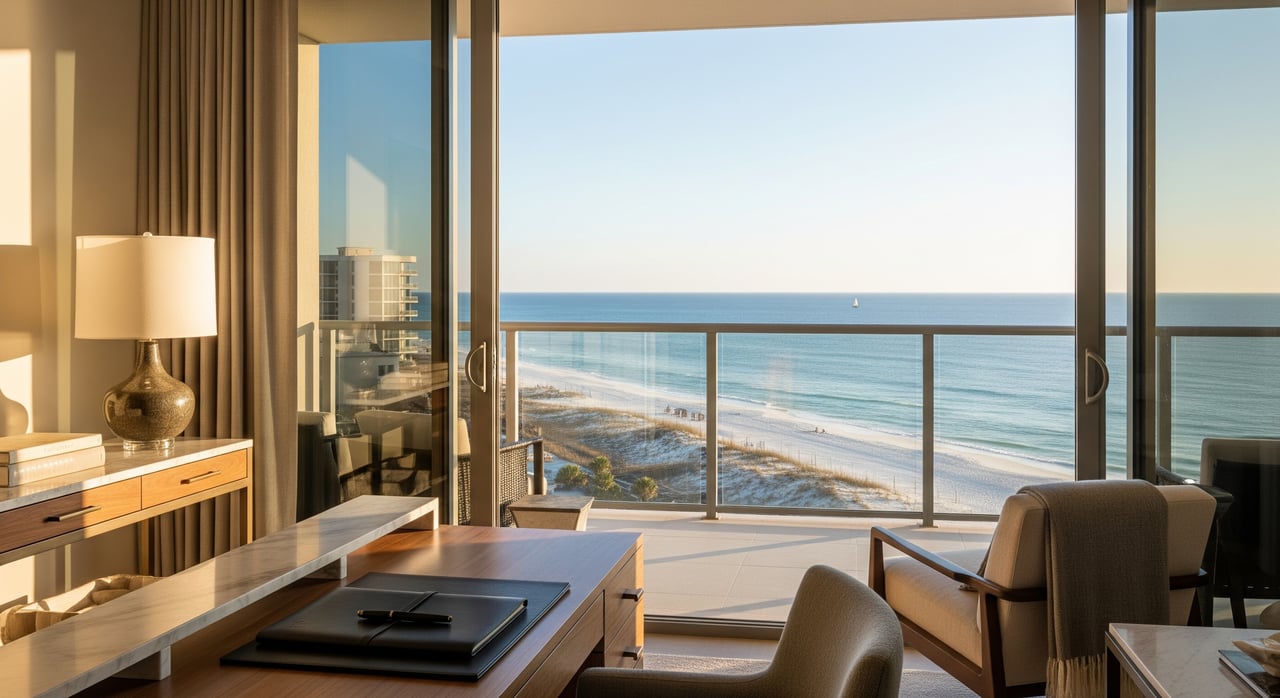
Buying a beach condo is exciting, but the numbers behind the association can make or break your experience. If you plan to enjoy Orange Beach or offset costs with rentals, you need a clear picture of dues, reserves, insurance, and potential special assessments. In this guide, you’ll learn exactly which documents to request, how to read them, and what coastal factors in Orange Beach can change the math. Let’s dive in.
What condo financials tell you
Condo ownership combines your unit with shared responsibility for common areas. The association’s finances affect your monthly costs and long-term risk.
- Monthly dues and how they may change over time.
- The likelihood and size of special assessments when shortfalls occur.
- Financing options and eligibility for loans tied to project health.
- What the master insurance covers versus what you must insure.
- Property condition and whether maintenance is being deferred.
In a coastal market like Orange Beach, exposure to storms, flood risk, and salt-air wear raise the stakes. A careful review will help you avoid surprises and protect your investment.
Documents to request first
Ask the seller, the property manager, or the association for these items. Reviewing them during your due-diligence period is essential.
Annual budget and year-to-date actuals
- What it shows: projected income, operating expenses, and reserve contributions.
- What to look for:
- Reserve contributions included and consistent with the reserve study.
- Trends in dues, including recent increases and the reasons.
- Line items with sharp increases, especially insurance, utilities, and maintenance.
Reserve study and reserve balances
- What it shows: an inventory of common components, useful life, replacement costs, and a funding plan.
- What to look for:
- Compare the current reserve balance to the study’s recommended level.
- Aging systems like roofs, elevators, exterior envelopes, and seawalls.
- Any funding shortfall that points to a higher risk of special assessments.
Financial statements and audit history
- What it shows: balance sheet, income statement, and overall transparency.
- What to look for:
- Whether statements are compiled, reviewed, or audited. Audited or reviewed is stronger.
- Trends in net income and reserve growth.
- A detailed accounts receivable report to understand delinquencies.
Delinquency and accounts receivable aging
- What it shows: unpaid assessments and how long they have been overdue.
- What to look for:
- High or persistent delinquencies that strain cash flow.
- Collection practices and whether policies are being enforced.
Board meeting minutes
- What it shows: discussions on projects, assessments, insurance, and litigation.
- What to look for:
- Any planned or recent special assessments.
- Large capital projects underway or being considered.
- Ongoing concerns about reserves, premiums, or claims.
Insurance summary and certificates
- What it shows: master policy coverage, deductibles, and whether coverage is all-in or walls-out.
- What to look for:
- Hurricane and wind deductibles, which are often percentage-based in coastal markets.
- Whether flood coverage is included at the association level or handled by individual owners.
- Any gaps that could shift costs to unit owners.
Governing documents and rules
- What it shows: authority to levy special assessments, insurance obligations, and rental rules.
- What to look for:
- Procedures and any caps on special assessments.
- Requirements for your HO-6 policy and deductibles.
- Short-term rental rules and how they are enforced.
Claims history and open claims
- What it shows: recent or pending claims and reserves for losses.
- What to look for:
- Frequent or large storm, water, or flood claims that may drive premiums higher.
- Open claims that could lead to assessments or coverage disputes.
Litigation and legal matters
- What it shows: active or threatened lawsuits.
- What to look for:
- Construction defect cases, insurance disputes, or large collection actions.
- Estimated exposure and whether there are funds to cover potential outcomes.
Ownership and rental mix
- What it shows: the ratio of owner occupants to investors and the prevalence of short-term rentals.
- What to look for:
- High short-term rental activity that can affect insurance, maintenance, and lending.
- Any lender-imposed restrictions connected to occupancy or rental usage.
Management agreement
- What it shows: who manages the association and the cost.
- What to look for:
- Contract term, termination rights, and fee increases.
- How duties are defined for collections, enforcement, and project oversight.
Orange Beach factors that change the math
Hurricane and wind deductibles
Orange Beach is on the Gulf Coast, so master policies often have percentage-based wind or hurricane deductibles tied to the building’s insured value. A 5 percent deductible on a large building can translate to a significant number. Understand how deductibles are calculated and how the association plans to fund them if a major storm hits.
Flood zones and coverage
Many buildings sit in FEMA-designated flood zones. Flood insurance is often separate from the master property policy. You may need your own flood policy in addition to an HO-6. Ask for the property’s flood zone designation and any elevation certificates, then confirm how this affects premiums and lender requirements.
Short-term rentals and lending
Orange Beach is a tourism destination with many condos used as short-term rentals. This can increase wear and change insurance underwriting. Some lenders review occupancy and rental exposure when deciding if a project meets their condo eligibility rules. If you plan to finance, discuss the project with your lender early.
Seawalls and coastal maintenance
Coastal buildings face salt-air corrosion, exterior envelope wear, and potential seawall or dune work. These needs show up in reserve studies and capital project plans. Make sure the budget accounts for them, not just routine maintenance.
How to analyze what you get
Use a simple process to turn documents into a clear picture.
- Compare reserves to the reserve study. Are balances and contributions on track with the recommended schedule? If not, what is the plan to catch up?
- Check dues trends. Have dues been stable, rising modestly, or jumping in response to insurance increases or deferred projects?
- Review insurance deductibles and limits. Understand wind and hurricane deductibles, whether flood is separate, and your own coverage obligations.
- Study delinquencies. Are many owners behind, and for how long? What are the collection steps and how effective are they?
- Scan board minutes for capital projects. Look for roofs, elevators, exterior repairs, seawall work, and any discussion of special assessments.
- Confirm project eligibility with your lender. Ask your lender to review association health early to avoid surprises late in underwriting.
Financing and resale ripple effects
Lenders and agencies review condo projects for owner-occupancy, delinquency levels, reserve adequacy, special assessments, and litigation. High delinquencies, weak reserves, big deductibles without funding plans, and active lawsuits can limit loan options or delay closing. Special assessments can derail deals or strain budgets, and deferred maintenance can reduce resale value or lengthen time on market.
If you are financing, get your lender’s condo requirements up front and share the association documents as soon as you receive them. If you are selling, expect buyers and lenders to scrutinize the same items and be ready with clear, current information.
Buyer due-diligence checklist
Request these at a minimum:
- Current-year budget and the latest fiscal-year financials.
- Most recent reserve study and current reserve account balance.
- Accounts receivable aging and delinquency report.
- Board meeting minutes for the past 12 to 36 months.
- Insurance summary with deductibles and loss history.
- Declaration, bylaws, rules, and the collections policy.
- List of current special assessments and planned capital projects.
- Management agreement and manager contact.
- Litigation disclosures and claim history.
- Owner-occupancy ratio and short-term rental percentage.
Key questions to ask:
- What is the reserve balance compared with the reserve study’s target?
- Any special assessments in the past five years or planned ahead?
- What percent of owners are delinquent and for how long?
- Are there pending or threatened lawsuits, and what is the estimated exposure?
- What are the hurricane, wind, and flood deductible terms? Any recent premium increases?
- What is the owner-occupancy rate and how many units are used for short-term rentals?
- Are there deferred maintenance items or active capital projects? How will they be funded?
- Who enforces rental rules and collections, and what is the standard process?
Red flags to slow down
- No recent reserve study or no regular reserve funding.
- Large gap between the reserve balance and the study’s recommended level.
- Repeated or large special assessments in recent years.
- High or persistent delinquencies with weak collection practices.
- Pending litigation with unclear exposure or funding plan.
- Large percentage wind or hurricane deductibles with no strategy to fund them.
- Very low owner-occupancy combined with heavy short-term rental usage.
- Frequent management turnover or missing financial statements and audits.
Timeline and next steps
- Early: get pre-approval and ask your lender about condo project requirements.
- As soon as feasible: request the association documents. Contract timelines often set delivery windows.
- Review period: analyze the budget, reserves, minutes, insurance, and litigation with your agent and, if needed, an attorney, CPA, and insurance broker. Ask your lender to confirm project eligibility.
- If issues arise: negotiate credits, an escrow holdback, or association action before closing. If financing is not possible or risks are too high, be prepared to walk away within your contingency.
For sellers: prep to build trust
- Assemble a clean disclosure packet with the budget, reserve study, financials, minutes, insurance, and any assessments or projects. Buyers and lenders will ask for them.
- If a project is planned, document the funding approach in writing so buyers can understand the path forward.
- Address questions about litigation and insurance deductibles with clear facts. Transparency builds confidence and helps prevent delays.
Making sense of condo financials takes focus, but it pays off. You will understand your true monthly cost, your exposure to special assessments, and how lenders will view the project. If you want local support from a team that works condos every day in Orange Beach, reach out to Rachel Wallace for guidance and next steps.
FAQs
What is a reserve study for an Orange Beach condo?
- A reserve study lists common components, estimates their remaining life and replacement costs, and sets a recommended funding plan that the association should follow.
How do hurricane deductibles affect my condo costs?
- Many coastal master policies use percentage-based wind or hurricane deductibles tied to building value, which can create large out-of-pocket exposure if not funded by reserves.
Do Orange Beach condo associations include flood insurance?
- Flood coverage is often separate from the master property policy, so you may need your own flood policy in addition to an HO-6 depending on your unit and lender.
How do short-term rentals impact condo lending eligibility?
- High short-term rental usage can affect insurance and how lenders evaluate the project, which may limit certain loan programs or trigger extra scrutiny.
Which documents should I review during condo due diligence?
- Review the budget, financials, reserve study and balances, delinquency report, board minutes, insurance summary, governing documents, claims history, litigation, and occupancy data.
When should I walk away from a condo over HOA finances?
- Consider stepping back if reserves are far below recommendations, delinquencies are high, litigation is significant, or insurance deductibles and costs lack a clear funding plan.