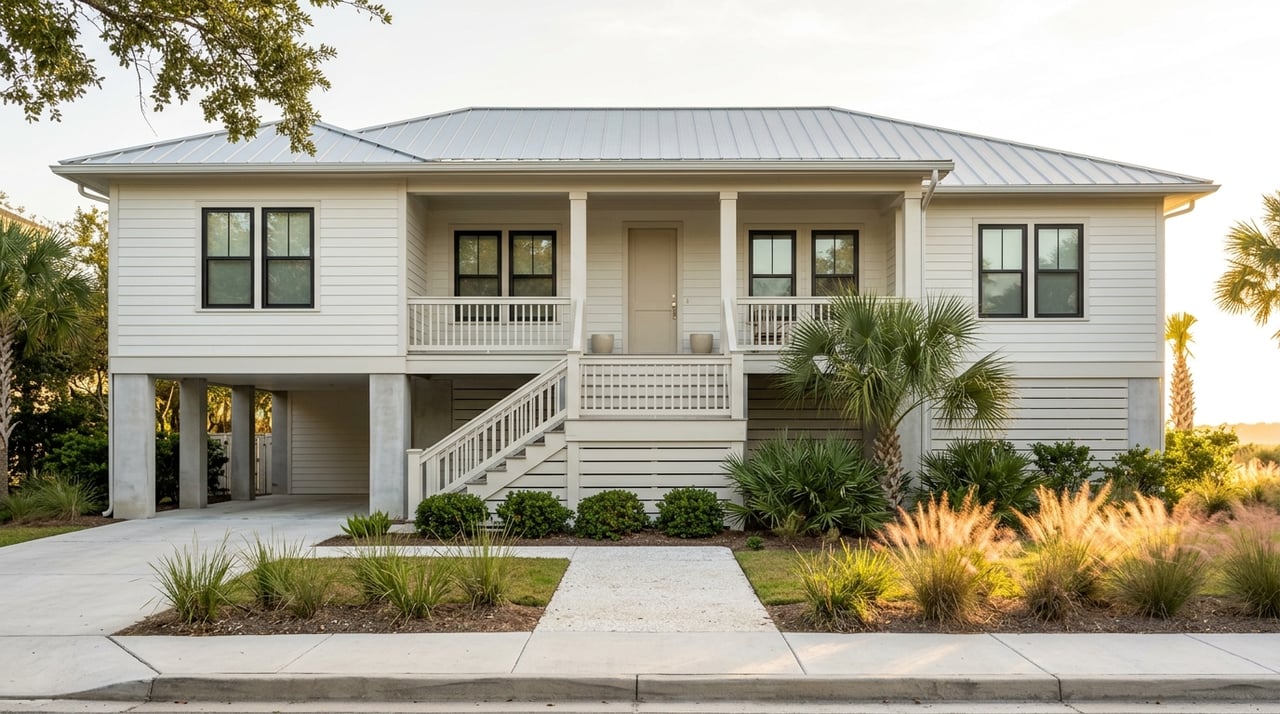
Thinking about moving to Baldwin County from another state? You are not alone, and you are probably asking the same big questions most long-distance buyers ask: Which area fits your lifestyle, what should you know before you buy, and how do you handle all the moving parts from far away? The good news is that relocating here can feel a lot more manageable when you understand how Baldwin County works, from community differences to coastal due diligence and move-in setup. Let’s dive in.
Why Baldwin County Feels So Different
Baldwin County offers a wide mix of living options along Alabama’s Gulf Coast, Mobile Bay, and inland areas. It borders Florida, includes 14 incorporated municipalities, and also has many residents living in rural unincorporated areas. That matters because your exact address can affect schools, utilities, trash pickup, and permitting.
If you are moving from out of state, one of the first things to understand is that Baldwin County is not a one-size-fits-all market. A home near the beach can come with a very different pace, set of services, and planning needs than a home along the bay or farther inland. Knowing those differences early can save you time and help you narrow your search faster.
Comparing Baldwin County Communities
Gulf Shores and Orange Beach
Gulf Shores and Orange Beach are the coastal resort markets many out-of-state buyers picture first. Orange Beach describes itself as a coastal destination and resort community, and the city says its small resident population can grow to more than 100,000 in peak season. Gulf Shores also describes a tourism-driven coastal setting with beaches, trails, and boating.
If you are considering these areas, it helps to think through how you want to live day to day. Some buyers love being close to the water and resort activity, while others prefer a little more distance from seasonal traffic and peak tourism patterns.
Fairhope
Fairhope sits on the eastern shore of Mobile Bay and offers a bay-side setting. The city highlights public utilities, parks and trails, a marina, local schools, and hurricane preparedness resources on its official channels. For many buyers, Fairhope stands out for its waterfront setting and established community amenities.
If you are moving for lifestyle as much as location, Fairhope may deserve a close look. It can appeal to buyers who want bay access and a different rhythm than the beach resort markets.
Spanish Fort
Spanish Fort emphasizes managed growth, a small-town village concept, commercial centers, and commute access to Mobile, Baldwin County, and northwest Florida. That can make it attractive if your move includes commuting needs or regular travel around the region.
For some out-of-state buyers, Spanish Fort feels like a practical middle ground. You can stay connected to major routes while still putting down roots in Baldwin County.
Foley
Foley promotes its historic downtown business district, major attractions, and ongoing infrastructure and growth planning. Buyers often consider Foley when they want access to coastal amenities while also keeping an eye on convenience, services, and inland housing options.
If you want a community with active growth and a central location, Foley is often part of the conversation. It can be a useful option for both primary-home buyers and buyers who want to be within reach of the beach without living directly in the resort core.
Start With Your Exact Address Needs
One of the biggest relocation mistakes is choosing an area based only on a city name. In Baldwin County, the exact property address matters because services can vary depending on whether the home is in one of the municipalities or in unincorporated county areas.
Before you commit to a home, make sure you confirm:
- Which local government serves the property
- Utility providers for water, sewer, electricity, gas, trash, and internet
- Whether the home is in an incorporated city or unincorporated Baldwin County
- What permitting or property-use rules may apply to that address
The county’s new-residents information also points newcomers to the Citizen Service Center as a countywide service hub. That can be a helpful starting point when you need to sort out local setup questions after your move.
Plan for Schools by Address
If school access is part of your move, keep your search address-specific from the beginning. Baldwin County Public Schools uses seven feeder patterns and a school-zone locator, and Gulf Shores and Orange Beach both link to their own city school systems on official city pages.
That means school planning should be tied to the property you are considering, not just the broader community name. If schools are a priority for your household, verify zoning and district information before you get too far into the buying process.
Build a Smart Long-Distance Buying Plan
Buying from another state usually means you need a process that is simple, clear, and efficient. A practical approach is to keep your search organized and handle major decisions in a set order rather than trying to solve everything at once.
A strong relocation plan usually includes:
- Narrowing your target communities
- Reviewing homes that match your goals and budget
- Touring homes in person or by live video
- Making an offer when the right property appears
- Scheduling a professional inspection
- Shopping homeowners insurance early
- Reviewing closing documents ahead of time
- Finalizing move-in logistics before closing day
CFPB says lenders must provide the Closing Disclosure at least three business days before closing. They also advise buyers to ask at least a week in advance how that disclosure will be delivered, whether by email, mail, or website. For an out-of-state move, that kind of early communication can reduce last-minute stress.
Coastal Due Diligence Matters More Here
Relocating to Baldwin County means learning a few coastal basics that may not have mattered in your previous market. Flood risk, storm exposure, and insurance costs deserve attention early in your search, especially if you are shopping near the Gulf, the bay, or other low-lying areas.
FEMA says its Flood Map Service Center is the official source for flood hazard maps. It also notes that areas beginning with A or V on FEMA maps are the main high-risk flood zones. Baldwin County’s flood-zone page directs buyers to FEMA’s map center and notes that the county floodplain ordinance applies to unincorporated county areas plus Elberta, Magnolia Springs, and Perdido Beach.
Check flood zones early
Do not wait until the final days before closing to ask flood questions. Checking flood maps early can help you better understand the property, future planning needs, and possible insurance requirements.
Get insurance quotes during the search
Baldwin County hazard materials describe the county as hurricane-prone and vulnerable to storm surge, tidal flooding, and heavy rain. Because of that, insurance quotes should be part of the search phase, not just a last-minute closing task.
Getting quotes early helps you compare the full cost of ownership, not just the list price. That can be especially important if you are comparing homes in different parts of the county.
Never skip inspections
HUD urges buyers to get a home inspection and review closing papers before signing. For coastal properties, inspections can help you better understand condition, maintenance needs, and repair priorities before you close.
Know What Changes After Closing
Once you own the home, the practical side of relocation starts quickly. Baldwin County says that whether you live in unincorporated county or one of the 14 municipalities determines who provides many services. The county’s living guide shows that water, sewer, trash, electricity, gas, and internet providers vary by community.
A simple post-close checklist can help you stay on track:
- Verify your address and local service providers
- Set up utilities and solid-waste pickup
- Update your driver license if needed
- Register your vehicle
- Review property-tax exemption options if eligible
- Sign up for emergency alerts and preparedness updates
Handle Alabama Residency Tasks Promptly
Alabama requires a driver license for residents who drive. The state also says an out-of-state noncommercial vehicle generally must be registered within 30 days of entering Alabama, and the state does not require emissions testing.
If voting registration is part of your move, the Alabama Secretary of State allows residents to register to vote or update voter information online or by mail. These are simple tasks, but they are easy to overlook during a busy move.
Look at Tax Benefits Early
If you are relocating for retirement or planning to make Baldwin County your primary residence, it is worth reviewing tax benefits early. Alabama’s Department of Revenue says homestead exemptions are available for certain primary residences, with more favorable treatment for homeowners age 65 and older and permanently and totally disabled homeowners.
The state also exempts many retirement income sources, including Social Security and several government and pension benefits. If those benefits may apply to you, build that review into your relocation planning rather than waiting until later.
Prepare for Hurricane Season From Day One
Moving to the Gulf Coast also means getting comfortable with storm preparedness. Baldwin County EMA provides alerts, evacuation information, shelter information, flood-management resources, and preparedness guidance for residents.
The county has also approved a pet-friendly emergency shelter plan for households evacuating with domestic cats and dogs during disasters. If you are new to coastal living, setting up alerts and building a basic storm plan soon after move-in is one of the smartest first steps you can take.
If You Are Building Instead of Buying
Some out-of-state buyers relocate by purchasing land or choosing a new build. In Baldwin County, the quick guide for new construction starts with a 911 address request, followed by a driveway permit, sewer or septic release, water release, planning and zoning approval, and then a building permit.
That sequence matters. If you are considering a build, it is helpful to understand that the process includes several steps before construction can begin.
Relocating to Baldwin County from out of state is about more than picking a house on a map. It is about matching your lifestyle to the right community, understanding address-specific services, and planning ahead for coastal factors like flood zones, insurance, and storm preparedness. With the right local guidance, the process can feel a lot less overwhelming and a lot more exciting.
If you are ready to make your move with a local team that understands long-distance buying, coastal considerations, and concierge-level support, connect with Rachel Wallace to start your Baldwin County search.
FAQs
What should out-of-state buyers know first about Baldwin County?
- Baldwin County includes 14 municipalities plus many unincorporated areas, so your exact address can affect schools, utilities, trash service, and permitting.
How do school zones work in Baldwin County for relocating families?
- School planning is address-specific. Baldwin County Public Schools uses feeder patterns and a school-zone locator, and Gulf Shores and Orange Beach also reference their own city school systems.
What flood-zone tool should Baldwin County buyers use?
- FEMA says the Flood Map Service Center is the official source for flood hazard maps, and Baldwin County directs buyers there for flood-zone research.
When should out-of-state buyers get insurance quotes in Baldwin County?
- Insurance quotes should be gathered during the home search so you can compare the full ownership cost before closing.
What Alabama move-in tasks should new Baldwin County residents handle quickly?
- Key tasks include updating your driver license if needed, registering your vehicle within the required timeframe, setting up utilities, and reviewing any available property-tax exemptions.